Marketing is crucial in the real estate business. It is important to create awareness and also to stand out in a competitive market, in which digital marketing is necessary to build a brand name using platforms like Facebook, Instagram, etc. Engaging people through your website content will help you change your game.
The reality is that you don’t need expensive billboards or paid ads to build a strong presence. Low-cost real estate sales marketing also needs a separate strategy to boost sales, including blogs, social media posts, email marketing, etc. In this blog, we will cover everything you need to advertise your real estate business.
1. Leverage Social Media Platforms
Use social media marketing platforms such as Facebook, Instagram, LinkedIn, and Twitter for free promotion. Upload posts related to your product. You can also use the reels feature with interactive music, photography, and videography to boost your product sales for free. Creating engaging, shareable content without the need for paid ads.
Example: A Manchester-based agent joined local Facebook groups like “Manchester Homes for Sale & Rent” and “Salford Community Hub.” By consistently sharing market updates and answering questions, he became a known local expert, generating 8 valuation appointments in 3 months again, at no cost.
2. Utilize Content Marketing (Blogging)
Here, blogging helps you rank on search engines and positions you as a local expert. Through relevant keywords and engaging content Marketing will keep your rank high in the competition, and your content will get priority.
Example: A London agent wrote blog posts like “Is Now the Right Time to Sell in East London?” and “The Pros and Cons of Leasehold vs Freehold.” One article ranked on Google’s first page and brought him a seller lead that turned into a £900,000 listing.
3. Email Marketing and Newsletters
Email marketing and newsletters are still a trending low-cost strategy. Sending personalised emails and personalized newspapers to consumers will gain their interest in the product.
Example: A Birmingham agent used Mailchimp’s free plan to send monthly newsletters. One landlord receiving her updates asked for a property valuation and eventually instructed her for full management on 5 rental units.
4. Virtual Tours and Video Content
Interacting with consumers through videos and virtual tours will be helpful towards your low-cost marketing tools. You just need your phone rather than professional gear to create effective video tours.
Example: During COVID restrictions, a Sharjah agent filmed short virtual tours of affordable apartments using only an iPhone. Tenants appreciated the transparency, and he began renting units without physical viewings. His monthly revenue increased by 30% with almost no marketing cost.
5. Collaborate with Local Businesses
Collaborating with small or local businesses will expand your network and give you business popularity.
Example: A Brighton estate agent collaborated with an interior designer. The designer helped stage a property for free (in exchange for exposure), and the agent promoted it on social media. The staged home sold faster, and both sides gained new clients.
6. Google My Business Optimization
Optimising your Google My Business (GMB), now called Google Business Profile (GBP), is one of the fastest ways to increase local visibility and generate high-intent leads, especially for real estate sales agents, brokers, and agencies who rely on hyper-local discovery.
Example: A small brokerage in Ras Al Khaimah optimized its Google My Business listing by adding photos, responding to reviews, and posting weekly updates. Their Google ranking improved, bringing them consistent walk-in leads, even with minimal marketing spend.
7. Host Free Webinars or Workshops
Hosting free webinars and workshops will help your business grow, establish priority and provide value to your customers.
Example: A property consultant held free Zoom webinars on “Buying Off-Plan in Dubai.” He posted the link in expat groups on Facebook. The first webinar brought 78 attendees, and he later converted two attendees into investors.
8. Create a Referral Program
A referral program is a marketing strategy that encourages existing customers to recommend a business’s products or services to their friends, family, or colleagues in exchange for a reward or incentive.
Example: Dubai agent offered a simple referral incentive: a 200 AED gift card for every successful referral. One family referred him to three colleagues relocating to Dubai, which resulted in two rentals and one purchase.
9. DIY Signage and Direct Mail
Thanks to modern online design tools, agents can now produce professional-looking digital marketing materials without big budgets. From door hangers to postcards and small signboards, DIY print assets allow you to reach specific neighbourhoods or buildings with a personal, hyper-local touch.
Example: A Sharjah agent printed affordable door hangers targeting buildings with many renters nearing renewal. This low-cost idea led to several rental leads because people appreciated the personal touch.
Conclusion
Good marketing in real estate doesn’t always require a big budget. Whether you’re working in the ultra-modern market or the diverse property landscape, the principles remain the same: be consistent, provide value, show up where people spend time, and build genuine connections.
From social media growth and blogging to community partnerships and virtual tours, these low-cost strategies have helped real agents. With the right approach, you can replicate their success and elevate your real estate business without overspending.
FAQ’s
What are the best low-cost marketing strategies for real estate agents?
Social media marketing, blogging, email newsletters, Google Business Profile optimization, referral programs, and virtual tours are some of the most effective low-cost strategies to boost real estate sales without paid ads.
Can real estate agents generate leads without spending on advertising?
Yes. By consistently sharing valuable content, engaging in local communities, and leveraging referrals and email marketing, agents can generate quality leads organically.
How does social media help increase real estate sales?
Social media helps agents showcase properties, build brand awareness, engage with local audiences, and position themselves as market experts through posts, reels, and videos.
Is blogging really useful for real estate marketing?
Yes. Blogging improves search engine visibility, attracts local buyers and sellers, and builds trust by answering common property-related questions.
How can Google Business Profile improve local real estate visibility?
An optimized Google Business Profile helps agents appear in local searches, gain credibility through reviews, and attract high-intent leads looking for real estate services nearby.
In the fast-paced world of software-as-a-service (SaaS), attracting, nurturing, and converting customers requires more than a great product; it demands a solid SaaS content marketing strategy. While traditional advertising can capture attention, content marketing builds trust, demonstrates value, and drives long-term customer engagement.
As SaaS companies compete in crowded marketplaces, a thoughtful content marketing strategy for SaaS isn’t optional; it’s essential. This guide breaks down everything you need to know about SaaS content marketing.
1. Turn Your Product Features Into Compelling Customer Stories
Many SaaS brands make the mistake of focusing on features rather than benefits. Customers don’t just want to know what your product does, they want to know how it solves real problems.
Transform your features into stories that resonate with different segments of your audience. For example:
Instead of saying, “Our platform automates email workflows”, tell a story: “Marketing managers at our company saved 10 hours a week and doubled their campaign efficiency using our automated workflows.”
Stories humanize your product, make it relatable, and demonstrate value without sounding sales.
2. Build Topic Clusters That Lead Users Straight to Signup
Topic clusters are a modern SEO content marketing strategy that organizes content around core topics, improving search engine visibility while guiding users through your site.
Pillar page: “The Ultimate Guide to Email Automation for SaaS Companies.”
Cluster content: Blog posts, videos, or guides on subtopics like “Top 10 Automation Marketing Tools,” “Workflow Optimization Tips,” or “Email Segmentation Strategies.”
By interlinking these pieces, you create a content ecosystem that drives traffic to your landing pages, nurturing prospects towards signup critical for a content marketing strategy for SaaS.
3. Create a Content Workflow Your Team Can Follow on Autopilot
Consistency is key in SaaS content marketing. A defined workflow ensures your content calendar runs smoothly:
Ideation: Brainstorm topics with product, sales, and marketing teams.
Creation: Assign writing, design, or video tasks.
Editing & SEO: Optimize for keywords, readability, and engagement.
Publishing: Schedule posts with automated tools.
Promotion: Share on social media, newsletters, and partner networks.
A repeatable workflow allows your team to maintain quality while scaling content output, ensuring that every piece contributes to your marketing objectives.
4. Add Real-Life Product Walkthroughs
Interactive demos, tutorials, or webinar recordings showcase your product in action. Instead of generic overviews, highlight scenarios that can solve real customer problems:
Step-by-step video guides
Interactive product tours
Case study webinars
Prospects often hesitate to sign up because they’re unsure how the tool fits into their workflow. Real-life walkthroughs bridge that gap, enhancing trust and conversion rates.
5. Beat the Competition With Comparison Content
Comparison content is one of the most powerful tools in SaaS content marketing. Prospective buyers frequently research alternatives before making a decision. Tips for creating effective comparison content:
Highlight strengths without bashing competitors
Include visuals like charts or infographics
Address pain points specific to different user personas
Comparison content not only informs but also nurtures leads further down the funnel.
6. Community Content That Turns Users Into Advocates
User-generated content and community-driven campaigns create authentic engagement. Encourage your customers to share:
Success stories
Tips and hacks
Social media posts featuring your product
Communities amplify your content reach organically. Every shared story doubles as a testimonial, reinforcing your credibility in the SaaS content marketing landscape.
7. Use-Case Libraries Built for Every Buyer Persona
A single product can solve multiple problems for different industries or roles. By creating a library of persona-specific use cases, you:
Show relevance to each audience segment
Make your product easier to evaluate
Increase chances of conversion by providing tailored solutions
Example: A project management SaaS might create use cases for marketing teams, engineering teams, and remote collaborators, each highlighting different features and benefits.
8. Hyper-Personal Landing Pages for Every Decision Maker
Landing pages aren’t one-size-fits-all. Personalization improves conversion by speaking directly to the visitor’s needs:
Tailor headlines and CTAs to roles (e.g., “For Marketing Leaders” vs. “For Operations Managers”)
Highlight features relevant to their department
Include testimonials from similar companies
Hyper-personalized pages ensure your content marketing strategy for SaaS speaks to the right audience at the right time.
9. Micro-Content That Explodes Your Reach
Long-form blogs and videos are essential, but bite-sized content, short social posts, infographics, GIFs, and micro-videos amplify reach and engagement.
Share product tips on LinkedIn
Create quick explainer videos for TikTok or Instagram
Turn blogs into carousel posts for easy consumption
Micro-content acts as a funnel, driving users to your main resources while keeping your brand visible across channels.
10. Interactive Experiences That Drive Engagement
Interactive content engages users far more than static content. Consider including:
ROI calculators for your SaaS product
Quizzes to identify user needs
Live chatbots or recommendation engines
Interactive experiences not only educate prospects but also capture leads, making them a cornerstone of content marketing for SaaS in 2026.
Conclusion
SaaS content marketingis no longer just a nice-to-have, it’s a strategic necessity. By focusing on storytelling, SEO-driven topic clusters, persona-based content, and interactive experiences, you can create a content marketing strategy for SaaS that drives awareness, engagement, and conversions.
In 2026, success hinges on personalization, authenticity, and agility. A thoughtful, multi-channel approach ensures your SaaS brand doesn’t just attract users but turns them into loyal advocates who champion your product.
Content marketing is an investment that compounds over time every blog post, video, or interactive demo contributes to a robust pipeline, sustainable growth, and a strong competitive edge.
FAQs
Q1: What is SaaS content marketing?
SaaS content marketing is the practice of creating and distributing valuable, relevant, and consistent content to attract, educate, and retain customers for a software-as-a-service product. It focuses on demonstrating product value, building trust, and guiding users along the buyer journey.
Q2: Is Content Marketing in Demand?
Absolutely. In a crowded digital landscape, buyers are researching solutions online before making a purchase. Content marketing helps brands stand out, engage prospects, and nurture them through informed decision-making.
Q3: Can SaaS content marketing affect the customer buyer journey?
Yes. Effective content marketing addresses each stage of the journey awareness, consideration, and decision helping prospects understand solutions, compare alternatives, and choose your SaaS product with confidence.
Q4: How to organize a content marketing strategy?
Start with audience research and keyword planning, define clear goals, build topic clusters, and implement a content workflow. Include personalization, interactive elements, and a distribution plan to ensure content reaches the right audience.
Q5: Why does SaaS content marketing work?
It works because it educates, builds credibility, and nurtures relationships. Instead of pushing sales, it provides value, helping prospects make informed decisions, which ultimately drives conversions and long-term loyalty.
Real estate marketing has changed more in the last three years than in the previous decade. With AI-powered search results, short-form video dominance, and buyers expecting instant responses, the real estate industry has become a digital-first marketplace no matter where you operate.
Whether you’re selling luxury waterfront villas in Dubai Marina or suburban homes in Austin, the rules of attention are the same: Those who show up consistently, and strategically, win.
In 2025, real estate success isn’t just about having listings. It’s about building a brand, creating trust, leveraging performance-driven digital marketing, and having a presence across the platforms your clients use daily.
The Shift in Real Estate Marketing
The Year Social Media Became the Main Search Engine
According to recent reports, 63% of Realtors use social media daily, and real estate content on TikTok, Instagram, YouTube, and Facebook is now driving more qualified leads than traditional portals.
Buyers are no longer waiting to book viewings to fall in love with a property—they’re doing it in 60-second videos. That’s why Real Estate Marketing Strategies today must focus on short-form video, virtual tours, and social media storytelling to capture attention fast.
1. Video-Driven Marketing Is Now Non-Negotiable
Agents using video marketing see:
49% faster revenue growth
Listings generating 403% more inquiries
Why Strategy Matters More Than Visibility
Thousands of agents post daily but only a handful convert consistently.
Why? Because visibility without strategy is noise. Strategic marketing shapes:
Lead quality
Brand trust
Referral strength
Speed of deal closures
The best agents aren’t doing “more” marketing they’re doing the right marketing.
2. SEO
In real estate, SEO is your silent salesperson working 24/7, even while you sleep.
Why SEO Matters
When buyers search:
“Luxury apartments in Downtown Dubai”
“Best neighborhoods in Houston for families”
“Townhouses for sale near schools in Miami”
The agents who appear on Google FIRST often win the deal.
Dubai Example:
A Dubai agent created SEO-targeted pages for:
“Off-plan projects in Emaar South”
“Luxury villas in Palm Jumeirah”
“Best ROI properties in Dubai Silicon Oasis”
Within six months, organic traffic increased leading to 40–50 inbound leads monthly without spending on ads.
Best SEO Practices
Create community-focused pages
Publish local guides
Add structured data to listings
Optimize Google Business Profile
Publish consistent blogs (2–4 per month)
SEO takes patience but once it kicks in, it becomes your cheapest lead source.
3. Performance Marketing
SEO builds long-term growth. Performance marketing fuels immediate results.
This includes:
Google Ads
Meta ads (Facebook + Instagram)
YouTube ads
Lead generation funnels
Why It Works
You only pay for:
Clicks
Leads
Conversions
Performance Marketing Tip
Never just “boost a post.” Use:
A/B testing
Lookalike audiences
Retargeting for abandoned page visits
This is where the best agents separate themselves from average ones.
5. Facebook Marketing for Real Estate
Facebook may not be the newest platform, but in real estate it still dominates because that’s where local communities stay active.
For agents, Facebook remains the easiest place to reach homeowners, tenants, buyers, and neighborhood groups who are already engaged with local content. Its blend of social posting + community groups + paid ads gives agents a full ecosystem to nurture relationships.
What Works
Local neighborhood groups
FB Marketplace listings
Live virtual tours
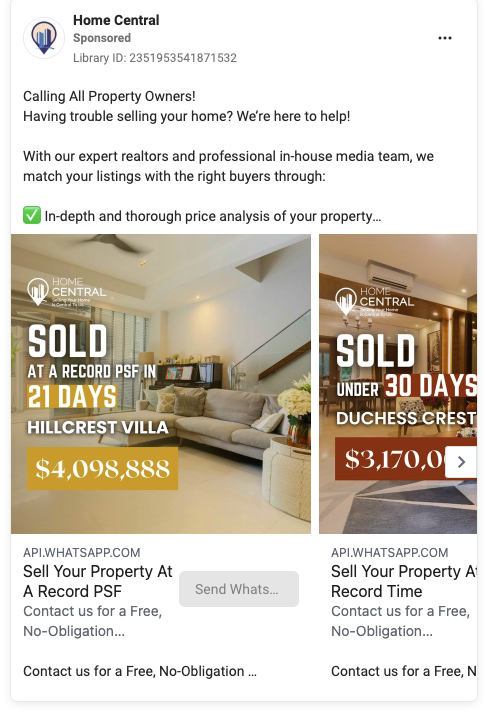
Carousel ads for new projects
Retargeting people who visited your website
4. Instagram Marketing
Instagram is the modern “storefront” of real estate. Buyers judge agents not only by their listings but also by how they present those listings visually.
Clean aesthetics, short videos, and engaging captions help potential clients connect emotionally with the properties you promote. For real estate agents, Instagram serves as a brand-building engine as much as a lead-generation tool.
What Converts:
Reels (15–30 seconds)
Before/after renovation content
Story polls (“This or That: Marina vs. Downtown?”)
Aesthetic listing photos
Client testimonial videos
5. LinkedIn Marketing
Influencer marketing has exploded in real estate especially in visually appealing destinations like Dubai, Miami, Los Angeles, and New York.
Buyers today trust creators more than traditional ads. When an influencer tours a property, they’re not just selling a home they’re selling a lifestyle.
What Works:
Weekly industry updates
Market insights
Deal case studies
Investor-friendly brochures
Developer partnerships
6. Influencer Marketing
Influencer marketing has exploded in real estate especially in visually appealing destinations like Dubai, Miami, Los Angeles, and New York.
Buyers today trust creators more than traditional ads. When an influencer tours a property, they’re not just selling a home they’re selling a lifestyle.
Why It Works
Influencers provide:
Trust
Exposure
Higher engagement
Lifestyle presentation of properties
7. Video Marketing
Video has become the #1 decision-making tool for real estate buyers.
Whether it’s a 15-second Reel or a full 5-minute property tour, video content helps buyers visualize themselves living in the space. In 2025, buyers expect to see video before they even consider a viewing.
What Videos Convert Best:
Short-form Reels & TikToks
Full home walkthroughs
Agent intro videos
Testimonial clips
Market explainers
Drone tours
3D virtual walkthroughs
8. Community Marketing
Community marketing is one of the most powerful, sustainable long-term strategies. Instead of chasing leads, you build a loyal audience that sees you as their trusted advisor. These communities can exist on WhatsApp, Facebook, LinkedIn, through newsletters, or even in-person events.
What Community Marketing Includes:
WhatsApp or Facebook groups
Monthly email newsletters
Investor clubs
Local event meetups
Educational webinars
Consistent market updates
Conclusion
Real estate marketing in 2025 is no longer about “being everywhere.” It’s about showing up strategically on the right platforms with the right message.
From SEO to performance ads, from influencer marketing to community building, the agents who grow fastest are those who embrace digital innovation like agents in Dubai closing deals through WhatsApp funnels or U.S. agents going viral on TikTok.
Whether you’re a beginner or a scaling team, remember:
Marketing isn’t just about selling homes, where Thehyperminds steps in it helps real estate agents in building trust. And trust, when scaled, becomes a brand that attracts clients for years.
Your Website Isn’t Just a Brochure. It’s a Business Engine.
At Hyperminds, we understand how a website can either drive a business forward or quietly hold it back. In today’s digital-first world, your website is often the first, strongest, and most lasting impression your audience gets.
For service-based businesses and tech products, a website isn’t just “being online”; it’s your credibility, your conversion engine, your communication tool, and your growth partner.
Yet, so many businesses treat their website like a one-time project: launch it, forget it, and expect results. That’s where opportunities are lost.
A high-performing website is live, evolving, engaging, and value-driven. Here’s how we ensure that the websites we build at Hyperminds stay active, supportive, and aligned with business growth.
Step 1: Keep Your Website Purpose-Driven (Not Just Pretty)
A visually stunning website means nothing if it doesn’t answer:
Who is this for?
What problem does it solve?
What action should the user take?
Your website must clearly communicate your service or product value, your expertise, and a clear call-to-action (CTA). For tech and service businesses, clarity builds trust, and trust builds conversions.
How Hyperminds approach it:
At Hyperminds, we align every piece of content with your business goals, whether that’s lead generation, demos, inquiries, or onboarding. Your website is not just for visitors; it’s for results.
Step 2: Update Content Regularly to Stay Relevant
Search engines and people, love fresh content.
By continuously adding:
Blogs
Case studies
Feature updates
Industry insights
Product enhancements
…your brand stays credible, authoritative, and visible.
Why this matters for tech & service businesses:
Tech companies show innovation and progress
Service businesses show expertise and experience
My approach:
We craft content strategies that keep your website alive, not outdated. Every update tells your audience you’re active, evolving, and reliable.
Step 3: Optimize for SEO & Performance (Always)
A website that’s slow, hard to navigate, or buried in search results is invisible.
We focus on:
On-page & technical SEO
Speed optimization
Mobile responsiveness
UX/UI improvements
SEO is never “done once”; it’s an ongoing journey.
At Hyperminds:
We continuously refine your website so it attracts the right audience and converts traffic into leads.
Step 4: Make Your Website Interactive & Engaging
Visitors today don’t just read, they interact.
We ensure websites include:
Lead forms & smart CTAs
Chatbots & live chat
Product demos
Meeting integrations
Downloadable resources
Why this matters:
Engagement guides users instead of confusing them. The easier you make it to interact, the higher your chances of converting them into customers.
Our approach:
We design user journeys that turn visitors into prospects and prospects into customers.
Step 5: Track, Improve, and Add Value Continuously
Websites should evolve based on data.
By tracking:
User behavior
Conversion rates
Drop-off points
Content performance
…We ensure that your website keeps improving and adds value at every stage.
Hyperminds’ approach:
We analyze, optimize, and grow your website continuously treating it as a living system, not a static page.
Why This Matters for Service & Technology Businesses
Services need trust, websites build authority
Tech products need clarity, websites simplify complexity
Both need leads, websites convert interest into action
Your website is your 24/7 sales partner.
How Hyperminds Helps
At Hyperminds, we make sure our clients’ websites don’t just exist; they work for the business. We help brands:
Design & revamp high-performing websites
Create ongoing content & SEO strategies
Improve engagement & conversion
Align websites with business development goals
Your website shouldn’t just look good; it should deliver, perform, and grow with your brand.
For startups, content marketing is far more than a promotional tool; it’s a way to build credibility, educate audiences, and create trust before the product even matures. Whether you’re developing a SaaS platform or launching a new tech service, content is the foundation that connects your brand’s innovation to your market’s real-world needs.
But while many startups understand the why behind content marketing, the how often proves challenging. With tight budgets, evolving business models, and the constant pressure to scale, founders can easily fall into traps that undermine long-term growth.
Understanding these common pitfalls and how to avoid them helps young companies transform content from a cost into an engine for sustainable visibility and customer engagement.
Common Pitfalls to Avoid
1. Skipping Market Research
One of the most frequent mistakes in content marketing for startups is creating content in isolation without truly understanding the audience. Founders often rely on assumptions about what their target market wants to read or watch. But without rigorous market research, even the most polished article or video can miss the mark.
A strong content marketing strategy for startups begins with audience insights. Who are your customers? What questions are they asking? Which formats do they prefer? Use analytics tools, surveys, and competitor benchmarking to identify what resonates. For SaaS startups, this often means analyzing user behavior data to understand where potential clients drop off or what features they search for most.
Ground every piece of content in data. It ensures your storytelling aligns with actual demand rather than internal guesswork.
Real Example: HockeyStack (USA)
What they are: HockeyStack is a SaaS analytics company serving B2B marketers and product teams.
How they applied market research: They realized their users, B2B marketers, were frustrated by generic dashboards. They craved stories behind numbers.
So HockeyStack launched a video series called “The Flow=”, featuring marketing influencers discussing relatable mistakes, each episode grounded in analytics insights.
They tracked engagement metrics like view time and drop-off rates to refine content continuously proving that data-driven refinement outperforms assumptions.
2. Failing to Build a Brand Voice
Another common pitfall is inconsistency in tone and messaging. Startups are often in a rush to publish quickly blog posts one week, ad copy the next, but without a defined brand voice, the result can feel fragmented.
Your brand voice is your personality in written form. It conveys your values, confidence, and culture. A fintech startup might adopt a tone that’s analytical yet reassuring, while a creative SaaS platform could use a voice that’s bold and conversational. Whatever direction you choose, consistency matters more than perfection.
A clear and unified voice helps audiences recognize your brand instantly, even when your logo isn’t present. It also builds credibility, a crucial asset for startups trying to compete with established names.
Example: Lovable (Sweden/Europe)
Tagline & Messaging: Their tagline, “Build something lovable,” turns their platform into a creative enabler rather than just a tool.
Tone: Approachable and empowering: “Let AI help you build your next big idea.”
Consistency: From blogs to sign-up pages, the tone stays friendly, confident, and human-centered.
Audience Alignment: They target entrepreneurs, designers, and non-developers who want to build without coding, perfectly matched to their promise.
Many founders make the mistake of thinking that publishing great content is enough. But even the most valuable insights are useless if no one sees them.
Overlooking distribution is one of the costliest errors in content marketing for startups. Without a plan to share, promote, and repurpose content across channels, startups risk shouting into the void.
Distribution is not about posting everywhere; it’s about posting smartly. Focus on where your audience already spends time. For B2B tech startups, LinkedIn and niche industry forums often outperform broader social networks. For SaaS products, partnerships with newsletters, podcasts, or micro-influencers can amplify reach at a low cost.
Treat distribution as an equal partner to creation. Great content deserves great visibility.
Example: Let’s look at Buffer, the social media scheduling tool. They quickly realized that simply publishing brilliant, in-depth blog posts wasn’t enough to compete with established blogs
Result: By making distribution a strategic focus, Buffer quickly amplified its reach, built brand credibility, and acquired its first large segments of users without relying on huge, expensive ad campaigns.
Performance Overview
Posts: 21 — an increase of 24% compared to the previous period.
Impressions: 1.18 million — up 492%, showing a major boost in content visibility.
Reach: 1.05 million — increased by 685%, indicating the content reached far more unique users.
Likes: 5,247 — up 24%, meaning audience engagement improved.
Comments: 397 — up 144%, suggesting stronger audience interaction.
New Followers: 1,998 — a 50% growth, reflecting successful brand exposure and audience growth.
4. Misaligning Content with Business Goals
Producing content that doesn’t align with measurable outcomes.
If your goal is lead generation, use CTAs (e.g., “Request a Demo”). For brand awareness, focus on thought leadership and social visibility.
The best startup content aligns creativity with metrics traffic growth, lead quality, retention, or customer lifetime value.
Content Marketing Strategies for Startups
A well-defined roadmap is non-negotiable. It doesn’t need to be elaborate, but it must be intentional. Start with a content calendar that identifies your audience segments, topics, formats, and distribution channels.
Map content to the buyer journey: awareness, consideration, and decision. Blog posts might educate at the top of the funnel, while case studies or webinars nurture leads further down.
A successful strategy balances two priorities consistency and flexibility. Consistency ensures your brand stays visible; flexibility lets you pivot quickly as market needs change.
Content Marketing Strategy Highlights
Audience segments: They target two main groups: (a) software product teams needing video guides & onboarding content; (b) business operations/training teams needing scalable documentation video assets.
Buyer-journey mapping:
Awareness: Blog posts or short videos titled “Why your onboarding videos aren’t working” or “The cost of manual training assets.”
Consideration: Webinars or demo videos showing how Trupeer’s AI platform generates walkthroughs automatically.
Decision: Case studies of early customers showing measurable improvement in onboarding time or training cost reduction.
Content calendar + flexibility: They appear to leverage seed-funding news (raised ~$3 M) as a content milestone, e.g., press release, founder story, product roadmap article, which enhances credibility and visibility.
Consistency + adaptability: While foundational assets are likely evergreen (how-to videos, tutorials, documentation best practices), Trupeer can adapt content quickly to reflect feature updates (e.g., new AI modules) or use-case changes as enterprise adoption evolves.
Emphasizing SaaS Startup Needs
For SaaS founders, content marketing isn’t just about storytelling; it’s about translating complex technology into tangible business value. Prospective customers must understand not only what your software does but why it matters.
Content marketing for SaaS startups should focus on problem-solving narratives. Create how-to guides, product demos, and ROI-driven case studies. Integrate real customer stories showing measurable improvements. SaaS buyers are data-driven; your content should speak their language.
Additionally, invest in evergreen assets such as onboarding guides or knowledge bases, which reduce churn and strengthen customer loyalty long after acquisition.
Tailored Content Marketing Tips for Tech Startups
Tech startups face the unique challenge of communicating innovation in a way that’s accessible. Here are a few targeted content marketing tips for tech startups:
Simplify complexity. Avoid jargon when explaining technical solutions. Clear communication builds trust faster than buzzwords.
Leverage founders’ expertise. Founders often hold the most authentic voice. Thought-leadership posts from them position the brand as credible and visionary.
Experiment early with formats. From interactive infographics to explainer videos, testing different content types early reveals what converts best.
Collaborate across departments. Align marketing with product and customer success teams; their insights fuel better storytelling.
In short, blend human storytelling with technical precision. It’s the formula that turns innovation into inspiration.
Focusing on Educational Content
Educational content is the currency of trust in today’s attention economy. For startups with limited brand recognition, teaching before selling is one of the most powerful strategies.
Host webinars, publish tutorials, or release “state of the industry” reports. By offering knowledge freely, you position your startup as a partner, not just a vendor.
Educational content is particularly effective in long sales cycles, such as enterprise SaaS, where credibility can influence procurement decisions.
Remember: audiences may forget promotional messages, but they never forget who helped them learn something new.
Example: Let’s look at HubSpot, which began as a small B2B SaaS company selling inbound marketing software. Their initial challenge was selling a complex, new idea (inbound marketing) to a skeptical market.
Why This Works for Startups
By teaching before selling, HubSpot successfully created the market for its own product. Their free educational content served as the highest-quality lead magnet imaginable. It built unparalleled brand equity, ensured their software was the first solution marketers thought of when they finally needed tools, and provided the credibility required to close high-value deals with confidence.
Incorporating Visual Content
Visual storytelling accelerates comprehension and emotional engagement. From explainer videos to product animations, visuals make abstract concepts tangible, especially in technology sectors.
For startups, visual content can differentiate even the simplest idea. Short-form video on platforms like LinkedIn, YouTube Shorts, or TikTok can extend reach exponentially. Meanwhile, infographics and data visualizations translate complex information into shareable insights.
But visuals aren’t just for awareness; they support conversion. Product walkthroughs or GIFs embedded in emails help prospects visualize value instantly.
Invest in a coherent visual identity that aligns with your brand tone. Cohesion across graphics, colors, and typography reinforces recognition and professionalism.
Example: Let’s look at Loom, the asynchronous video messaging platform. When Loom started gaining traction, their core value proposition, “record your screen and camera to send a quick update”,—was simple, yet abstract. Their challenge was demonstrating why this was better than a quick email.
Challenge & Solution: Loom made the abstract concept of asynchronous video tangible by focusing on a relentless output of short, high-quality GIFs and explainer videos.
Conversion Driver: They embedded simple, looping GIFs directly into onboarding emails and documentation to visually demonstrate the three-step recording process.
Brand Cohesion: The use of a consistent, friendly visual identity (e.g., the purple color palette) ensured instant brand recognition across all channels.
Result: This visual strategy significantly reduced friction and boosted user adoption, making their complex product feel intuitive and driving conversion efficiently.
Tips to Measure Content Marketing Success
You can’t improve what you don’t measure. The most successful content marketing tactics for startups are built on continuous feedback loops.
Track metrics across three categories:
Engagement – time on page, social shares, and comments.
Conversion – form submissions, demo requests, or sign-ups.
Retention – repeat visits and content-driven upsells.
Avoid vanity metrics like impressions without context. Focus on actionable data that ties directly to your goals.
Utilizing Analytics Tools
Analytics transform content from an art into a science. Platforms such as Google Analytics, HubSpot, or SEMrush reveal which topics resonate most and which distribution channels deliver ROI.
For early-stage startups, tools like Hotjar or Microsoft Clarity can visualize user interactions, helping refine content layout and design. SaaS companies can also use product analytics to identify what educational content improves adoption rates.
StudyFlow, a Dutch EdTech startup, used Google Analytics and Hotjar to learn that long “Ultimate Guides” had low conversions, while short “5-Minute Study Hacks” performed 5x better.
Action: They restructured CTAs and prioritized short-form content, increasing qualified sign-ups without extra ad spend.
A/B Testing Content
A/B testing (also called split testing) is a method of comparing two or more versions of a piece of content to see which one performs better. For startups, where every visitor and conversion matters, it’s one of the most powerful yet underused tools for improving marketing performance without increasing budget.
When you run an A/B test, you create two variations of the same content, for example, two landing page headlines, two email subject lines, or two versions of a call-to-action (CTA) button. Half of your audience sees version A, and the other half sees version B. You then measure which version drives more clicks, sign-ups, or sales.
Example: A B2B SaaS startup called “TaskFlow,” which sells project management software to small design agencies. Their primary goal is to increase free trial sign-ups from their homepage landing page.
Traffic Split: TaskFlow uses a tool (like Google Optimize or a built-in platform feature) to ensure 50% of website visitors see Version A and 50% see Version B.
Duration: They run the test for two weeks to gather enough statistically significant data (typically a few thousand visitors).
Measurement: After two weeks, the results are calculated:
Control (A): 3.1% conversion rate.
Variant (B):4.8% conversion rate.
Action: Since Variant B achieved a 55% increase in sign-ups (4.8% vs. 3.1%), TaskFlow immediately permanently implements Variant B (“Unlock 14 Days Free Access”) as the new default CTA on their homepage.
Final Thoughts
Content marketing for startups , isn’t just another task on the to-do list; it’s the backbone of sustainable growth. It informs, persuades, and nurtures relationships that advertising alone cannot replicate.
Avoid the common traps: skipping research, neglecting brand voice, or ignoring distribution. Instead, craft a strategy grounded in insight, amplified by creativity, and refined through data.
Whether you’re leading a SaaS platform or an early-stage tech company, remember that content marketing is a long game. Consistency beats bursts of inspiration, and authenticity always outperforms polish.
In the ever-evolving startup landscape, the brands that educate, empathize, and engage win.
FAQs
1. What is the 70-20-10 rule in content marketing? It recommends dedicating 70% of content to proven formats, 20% to emerging trends, and 10% to bold experiments. This balance ensures innovation without sacrificing consistency.
2. What are the 3 C’s of content marketing? Clarity, Consistency, and Credibility are three pillars that define how effectively a brand communicates with its audience.
3. What are the 7 A’s of content marketing? Awareness, Attention, Attraction, Affinity, Action, Advocacy, and Analysis a framework for guiding content from creation to customer loyalty.
4. What are the 7 steps of content marketing? Research, Plan, Create, Distribute, Promote, Measure, and Optimize the continuous cycle that powers a successful content strategy.
Going viral sounds like every startup’s dream, but it’s tougher than it looks. With digital spaces overflowing with ads, trends, and noise, getting noticed is harder than ever. The real challenge for startups in 2025 is finding fresh, authentic ways to stand out without burning through their budgets.
Marketing for startups isn’t just about getting noticed; it’s about staying alive. Every tweet, ad, and email has to matter when budgets are tight. Unlike big brands, startups can’t afford to waste time; they need smart, creative, and fast-moving marketing that brings real results.
Early-stage marketing isn’t about being perfect; it’s about testing, tweaking, and learning what sticks. It’s those late-night headline edits, quick pivots, and turning first users into loyal fans that build real momentum.
In 2025, the startups that win are the ones blending storytelling, data, and community energy to create buzz that spreads. This is marketing built for speed, passion, and impact, the kind that turns small ideas into movements.
1. Laying the Foundation
Overview Before you run ads or post on social media, you need a solid base. Laying the foundation means knowing exactly who your audience is and what sets you apart. It’s about clarity, your message, your value, and your position in the market. Without it, even the smartest marketing tactics will fall flat. Get the basics right first, and every strategy that follows will hit harder.
Ideal Customer Profile (ICP)
Know exactly who you serve. Create buyer personas: job title, pain points, where they hang out, search phrases they use at 2 a.m.
Your positioning must answer a single question: Why you, not someone else.
Competitor Analysis
Map competitors’ strengths and weaknesses.
Identify whitespace where you can win with a smaller, focused audience.
Don’t jump into tactics until you’ve validated your positioning and ICP.
To implement this strategy:
Create detailed buyer personas.
Draft a one-sentence positioning statement.
Run a basic competitor map to find whitespace opportunities.
2. Developing a Marketing Plan
Overview Building a startup is exciting, but let’s be honest, it’s also chaotic. Between product tweaks, funding rounds, and hiring your first team, marketing can feel like something you’ll “figure out later.” The problem? Without a solid marketing plan, even the best ideas struggle to find their audience.
A marketing plan isn’t just a document; it’s your roadmap to growth. It defines who you’re targeting, how you’ll reach them, and what success actually looks like. For startups, this plan doesn’t need to be hundreds of pages long. What it does need is focus, flexibility, and clear intent.
Core elements
Know Your Audience: Define your ideal customer and what problem you solve.
Study Competitors: Find gaps and position your brand uniquely.
Build Your Brand: Create a clear message, tone, and visual identity.
Plan Content: Post consistently and offer real value (blogs, videos, lead magnets).
Use Digital Tools: Run ads, automate emails, and track analytics.
Manage Budget: Spend smart, test, measure, and scale what works.
To implement this strategy:
Draft a 1-page marketing roadmap with objectives, channels, and KPIs.
Pick 2–3 channels to prioritize for the next 90 days.
Set a small testing budget and KPIs for each experiment.
3. SEO (organic growth)
Think of SEO as your long-term visibility plan. It’s about making sure people can actually find your startup when they search on Google. From keyword research to optimizing your website’s structure, SEO helps your content show up in front of the right audience without paying for every click.
Example: TakeBuffer , a SaaS social media management platform that scaled its user base by 60% in just one year through strategic SEO. By targeting niche, high-intent keywords like “best social media scheduling tool for small businesses” and publishing in-depth content such as marketing guides, case studies, and productivity blogs, Buffer gained massive organic traction.
Their efforts paid off:
Organic traffic: 1.2M monthly visitors and growing.
Keywords ranked: 374.9K across competitive and niche search terms.
AI visibility: 67%, ensuring consistent presence in AI-driven search results.
Branded queries: Increasing rapidly, reinforcing brand authority and credibility.
Top performance: The Majority of high-value organic keywords now rank in the top 5 positions on Google.
Top keyword rankings: Most organic keywords are now ranking in the top 5 positions.
Several organic search keywords related to “Buffer,” including keyword positions, traffic volume, and ranking URLs. Each row displays metrics such as search volume, traffic percentage, and keyword difficulty, indicating how well Buffer’s pages rank for specific queries. Overall, it highlights Buffer’s strong SEO visibility and ranking performance for social media–related keywords.
To implement this strategy:
Do keyword research focused on long-tail, intent-driven phrases.
Publish how-to guides, integration pages, and niche content.
Content marketing is how startups build trust before they build revenue. It’s about showing your audience that you understand their world, their struggles, goals, and curiosities through stories, visuals, and insights that educate or entertain.
Example: Take FilliCafeas an example. They started as a small tea shop in Dubai and became a global franchise thanks to powerful storytelling and social content. By sharing short videos of its signature Zafran Chai, customer moments, and behind-the-scenes stories on Instagram and YouTube.
Filli turned everyday tea drinking into a lifestyle brand. Its authentic, relatable content connected emotionally with audiences and helped increase organic visibility by +50% and Improved Social Engagement by 3× lift. worldwide, proving that storytelling sells as much as strategy.
To implement this strategy:
Pick 1–2 content formats and publish consistently.
Tell stories that connect emotionally and show product use cases.
Repurpose long content into short-form social posts.
5. Email Marketing for Nurturing Leads and Customer Retention
Email marketing is the quiet powerhouse behind startup growth, personal, direct, and incredibly cost-effective. When done right, it doesn’t just sell, it builds genuine, long-term relationships with your audience.
Example:
Synthesia, an AI video creation startup, effectively used segmented email campaigns to boost user engagement by focusing on education and value-driven communication rather than sales pitches. It promotes live onboarding webinars like AI Video 101, Scenario-Based Learning, and Tips and Tricks for Technical Training.
Each session helps users master Synthesia’s tools quickly and confidently, turning onboarding into an interactive learning experience. Instead of pushing upgrades, the email empowers users to create pro-level videos in just 45 minutes, reinforcing trust and product understanding.
To implement this strategy:
Segment your list and build simple welcome/onboarding sequences.
Send value-first content before pitching upgrades.
Track open, click, and conversion rates.
6. PPC for Startups: Fast Visibility, Smarter Budgeting
PPC (Pay-Per-Click) is a digital advertising model where advertisers pay a fee each time someone clicks on their ad. It is used to drive targeted traffic from Google. Businesses bid on keywords to appear in top search results for relevant queries.
Example: Overjet, a dental AI software startup, offers a great example of how startups can use paid search strategically to inform broader marketing efforts. As shown in the image, Overjet ran targeted Google Ads campaigns around high-intent keywords like “dental coverage,” “open dental,” and “AI for dentistry.”
Through A/B testing and continuous keyword optimization, they identified not just high-performing ads but the deeper behavioral patterns behind each click what motivated a dental expert to inquire, what value proposition stood out, and what offer converted the fastest.
This analytical approach allowed the marketing team to phase out underperforming campaigns and double down on high-intent keywords and persuasive messaging that mirrored the daily challenges of dental practitioners. Over time, this precision-driven strategy didn’t just improve CTRs and conversion rates it built a pipeline of qualified leads, reduced wasted ad spend, and strengthened ROI with each campaign cycle.
To implement this strategy:
Use small, hypothesis-driven ad experiments.
Test messaging and landing pages, then apply learnings to organic content.
Monitor CAC and conversion rates closely.
7. Social Media Marketing: platform-specific approaches and engagement
Each platform serves a different purpose. LinkedIn is perfect for B2B startups and thought leadership. Instagram and TikTok help lifestyle and product-based startups show personality and visual storytelling. X (Twitter) is great for building relationships with journalists, investors, and early adopters. The key is not to post everywhere, but to focus where your audience actually hangs out.
For startups, social media isn’t just a platform; it’s your loudspeaker, your community, and your first real connection with customers. The beauty of social media is that it levels the playing field. You don’t need a massive budget to make an impact; you just need creativity, consistency, and authenticity.
Air Company, a climate-tech startup, turned heads on social media by showcasing its breakthrough innovation, a 100% synthetic fuel made from captured CO₂.
On Instagram, the brand shared a striking image of a red-and-silver aircraft soaring through a clear blue sky with the caption highlighting a historic milestone:
“Our air demonstration marks the first-ever unmanned flight fueled entirely by 100% synthetic fuel derived from CO₂, powered by our AIRMADE® Fuel.”
Partnering with the U.S. Air Force, Air Company emphasized the drop-in capability of its sustainable aviation fuel, meaning it can be used in existing aircraft without modification. The post didn’t rely on flashy marketing; instead, it celebrated real innovation and mission-driven storytelling.
By combining a clean, futuristic visual with educational yet inspiring copy, Air Company positioned itself not just as a sustainability brand, but as a pioneer redefining how industries can literally run on air.
To implement this strategy:
Choose 1–2 platforms that match your ICP.
Create a content calendar with a mix of product, story, and community posts.
Engage daily and prioritize relationship-building over broadcasting.
8. Smart Affiliate Strategies for Emerging Brands
Overview Affiliate marketing is a performance-based strategy where startups reward partners or influencers for bringing in customers through referral links. Each time someone buys through that link, the affiliate earns a commission. It’s a cost-effective way to grow because you only pay for real results.
Example
A startup named EasyShip offers an affiliate program that allows partners to earn commissions by promoting their services.
Their affiliate program is simple and structured in three clear steps:
Register as an Affiliate – Anyone can easily sign up to join Easyship’s affiliate network, with no minimum sales required. This accessibility encourages more people and small businesses to participate.
Promote Easyship – Affiliates share Easyship’s services using unique referral links. Whenever their audience or customers sign up through these links, affiliates earn commissions, a win-win approach that helps spread brand awareness organically.
Start Earning Fast – The program rewards affiliates quickly by paying a base rate per signup, plus a small percentage of each customer’s shipping cost.
To implement this strategy:
Define commission structure and terms.
Choose affiliate management software.
Recruit early partners and provide creative assets.
9. Influencer Marketing
Overview Influencer marketing is a strategy where brands collaborate with individuals who have built credibility and a loyal following in a particular niche. These influencers, whether they’re content creators, industry experts, or social media personalities, use their platforms to promote a product or service to their audience authentically.
Instead of relying on traditional ads, influencer marketing taps into trust and relatability. People are more likely to try something recommended by someone they follow and admire. For startups, this approach helps create instant visibility, social proof, and credibility, especially when budgets are tight and brand awareness is still growing.
Example: Dropbox
Dropbox took an unconventional approach to influencer marketing by spotlighting real creators instead of typical social media influencers. In its Work in Progress series, Dropbox featured professionals like the directors of HBO’s McMillion$, telling the story of how they uncovered a major conspiracy while creating the documentary.
The article’s title, “How the directors of HBO’s McMillion$ uncovered a conspiracy everyone missed,” immediately grabs attention with a real-world hook. But behind the story, Dropbox subtly shows how its tools powered the collaboration process: sharing massive video files, coordinating footage, and managing production remotely.
Rather than promoting features directly, Dropbox lets respected creators, the “influencers” in their fields, demonstrate the product’s value through authentic storytelling. This built trust and credibility while positioning Dropbox as an essential tool for creative professionals.
To implement this strategy:
Build a simple referral mechanic with clear rewards.
Identify influencers whose audience aligns with your ICP.
Track referral sources and optimize rewards for ROI.
10. Unconventional and Guerrilla Marketing Tactics
Overview
Guerrilla marketing focuses on creativity over big budgets, helping startups stand out through clever, low-cost ideas. It relies on surprise and emotion to grab attention and make people share the experience.
Key ideas
Use public spaces, streets, walls, and other spots as storytelling tools.
Design campaigns that create organic buzz and social proof.
Aim for high engagement and awareness with minimal spending.
To implement this strategy:
Brainstorm 5 low-cost stunts tied to your product story.
Test one small, public activation and measure shares and earned media.
Combine offline surprise with online amplification.
11. Content Innovation and Buzz Generation
Overview In the crowded digital world, startups don’t just compete for customers; they compete for attention. And attention is earned through creativity, not just consistency. That’s where content innovation comes in: finding fresh, unexpected ways to make people stop scrolling and start sharing.
Tactics
Interactive quizzes, short-form videos, polls, memes, mini-games, or user-generated challenges.
Anything that sparks curiosity and invites participation.
Example: GoPro’s success isn’t just about cameras; it’s about community-powered content. Through initiatives like the GoPro Awards, the company transformed ordinary users into global storytellers. The strategy was simple but powerful: Capture. Share. Get rewarded.
Users were encouraged to post their most thrilling videos from surfing massive waves to skydiving adventures shot on their GoPro cameras. The best clips were featured on GoPro’s social media channels and campaigns, with creators earning cash prizes and massive exposure.
This user-generated approach created a continuous cycle of viral content. Every new video not only showcased the product’s capabilities but also inspired others to pick up a camera and join the movement. Instead of relying solely on paid ads, GoPro built a global brand around its users’ real stories, authentic, adventurous, and impossible to ignore.
User-generated content (UGC) example: GoPro built its entire brand on UGC, real people posting incredible videos shot on GoPro cameras.
To implement this strategy:
Prototype one interactive piece (quiz, mini-game, challenge).
Encourage customers to share photos, reviews, or creative use cases.
Prioritize surprising moments and clear sharing hooks.
12. Measuring and Optimizing Marketing Efforts
Overview
Measuring and optimizing marketing performance helps startups make every pound (or dollar) count, ensuring limited budgets go toward what truly drives growth.
Track reach, engagement rate, shares, and follower growth to see how well your startup connects with its community.
Tools for Tracking & Insights:
Startups can use analytics platforms to gain a clear picture of what’s working:
Social Insider – It offers in-depth competitive benchmarking, helping you see how your brand stacks up against others in your industry. Along with audience insights and cross-platform content performance analysis, it guides smarter strategy decisions to improve reach and engagement.
Google Analytics 4 (GA4) – provides deep insights into how users interact with your website from page views to conversions. It helps startups measure the real impact of social media and ad campaigns, revealing which channels and audiences deliver the best results.
Google Search Console – track how your website performs in Google search results, showing which keywords drive traffic and how often your pages appear. By analyzing this data, startups can refine their SEO strategy, boost visibility, and attract more organic visitors.
Measure open rates, click-through rates, and unsubscribe rates to understand how effectively you’re nurturing leads and maintaining interest.
Conclusion
In today’s fast-moving digital world, startups need more than just visibility; they need a genuine connection. A strong marketing strategy is what builds that bridge, turning first impressions into lasting trust.
From SEO and storytelling to social media buzz and bold guerrilla ideas, every move shapes how people see your brand. The truth is, the best startups don’t stick to one playbook;k they blend data with creativity, intuition with experimentation. In the long run, it’s consistency, adaptability, and authenticity that turn clever marketing into real, sustainable growth, ualities that a well-rounded digital marketing agency helps brands achieve with precision and scale.
In today’s hypercompetitive landscape, even the most innovative idea can fade into obscurity without an effective marketing strategy. Knowing how to market a product successfully is what turns a concept into a thriving business. From understanding your audience to building a brand that resonates, every step matters.
Whether you’re launching your first offering or adding a new item to your portfolio, the process of bringing a product to market demands a structured, data-driven approach balanced with creativity and authenticity. Let’s explore the five essential steps every entrepreneur should master to ensure their product not only reaches its audience but also makes an impact.
Understanding Your Product and Market
Before diving into marketing tactics, take the time to truly understand what you’re selling and whom you’re selling to. Without clarity on your product’s purpose and the market landscape, even the most brilliant marketing ideas may miss their mark.
1. Define Your Product’s Unique Selling Proposition
Your Unique Selling Proposition (USP) is the cornerstone of your product’s appeal. It defines what sets your product apart from competitors and why customers should choose you. Start by identifying the specific problem your product solves or the unique value it adds.
Ask yourself:
What features make it better or different?
Why would a customer switch from an existing solution?
What emotion or outcome does your product deliver?
For example, if you’re launching a new project management tool, your USP might be “simplifying complex team workflows through AI-powered automation.” A clear USP helps anchor your entire marketing narrative and informs your communication across all platforms.
2. Conduct Market Research for Insights
Effective marketing begins with insight. Conducting market research allows you to understand customer behavior, pain points, and buying triggers. Use surveys, focus groups, competitor analysis, and digital analytics tools to uncover trends.
The data you collect will guide pricing strategies, messaging, and product positioning. Moreover, thorough research helps you recognize market gaps/opportunities your competitors might have overlooked. This foundational step ensures your marketing efforts are targeted and relevant rather than based on assumptions.
3. Identify Your Target Audience
No product can appeal to everyone. Defining your target audience sharpens your focus and prevents wasted marketing spend. Create detailed buyer personas that include demographics, interests, challenges, and purchase motivations.
For instance, the audience for luxury skincare products differs dramatically from that of affordable, ecofriendly alternatives. Understanding these nuances enables you to tailor both your messaging and your choice of marketing channels.
Developing a Marketing Strategy
Once you’ve established a clear understanding of your market, the next step is to design a strategic roadmap. The right combination of tactics can turn potential buyers into loyal customers.
1. Choose the Right Marketing Strategies for New Products
When exploring marketing strategies for new products, aim for a balance between awareness and conversion. Consider a mix of inbound and outbound tactics, content marketing, social media outreach, influencer partnerships, and public relations.
Early adopters often play a critical role in driving momentum. Providing them with incentives such as exclusive previews or limited-time offers can spark initial traction and build credibility through word-of-mouth.
2. Integrate Digital Marketing for Products
In today’s landscape, digital marketing is non-negotiable. Gartner’s 2025 data shows that digital channels account for over 61% of total marketing spend, underscoring their dominance.
Digital Channel
Primary Goal
Example Application
Search Engine Optimization (SEO)
Sustainable organic traffic
Create in-depth guides answering user questions like “marketing strategies for new products” to capture high-intent searchers.
Paid Ads (PPC)
Immediate visibility & lead testing
Target competitor keywords on Google or specific job titles on LinkedIn.
Social Media Marketing
Community building & brand awareness
Run engaging polls or short video tutorials on TikTok/Instagram to humanize the brand, a highly effective approach in modern social media marketing.
Email Marketing
Nurturing leads & driving sales
Segment lists based on product interest and provide exclusive launch offers or helpful content, a simple but powerful way to improve your email marketing performance.
Real-Life Example: Allbirds successfully marketed their product (shoes) by focusing on their unique, sustainable USP and integrating that message across all digital channels.
3. Crafting a Marketing Budget and Timeline
A well-structured marketing budget prevents overspending and ensures resources are allocated efficiently. Identify which channels promise the highest ROI and assign funds accordingly. Similarly, develop a timeline for campaign execution covering prelaunch, launch, and postlaunch phases.
Having a realistic timeline ensures consistency across channels and helps you adjust quickly based on performance analytics.
Example: Dove. They didn’t just sell soap; they established a core value: “Real Beauty.” Their marketing campaigns consistently reflect this value, fostering a deep emotional connection with their audience that transcends the functional benefits of their products.
Creating a Strong Brand Identity
Even the most technically advanced product won’t succeed without a brand that resonates emotionally with its audience. Building a compelling identity gives your product a voice, personality, and sense of purpose.
1. Establishing Brand Values and Messaging
Brand values communicate what your company stands innovation, sustainability, quality, or community. These values should be woven into every piece of content and communication.
Messaging, on the other hand, tells your story. It should align with customer aspirations and pain points. For instance, if your product promotes productivity, your messaging might center on helping people “achieve more with less effort.” Authentic messaging helps build long-term loyalty.
2. Designing Visuals That Resonate With Your Audience
Visual identity is the first impression your brand makes. A thoughtfully designed logo, consistent color palette, and cohesive imagery can significantly boost recall and trust. Your design choices should align with your brand’s tone and audience preferences.
For example, minimalist designs may appeal to a tech-savvy crowd, while bold, vibrant visuals may resonate more with lifestyle brands.
3 . Building an Online Presence (Website, Social Media)
A strong online presence is nonnegotiable. Your website should act as your brand’s central hub, easy to navigate, mobile-friendly, and optimized for search engines. Social media platforms, meanwhile, allow you to connect with audiences in real time.
Strategically curated contentbehindthescenes stories, tutorials, and testimonials can transform casual followers into loyal advocates. This is also an effective approach when exploring how to market a service alongside physical products.
Launching Your Product
Now comes the pivotal moment: introducing your product to the world. A successful launch blends meticulous planning with storytelling and timing.
1. How to Start Marketing a New Product Effectively
Learning how to start marketing a new product means focusing on momentum. Begin by teasing your product before launch to create curiosity. Use email teasers, short videos, and social posts to build anticipation.
During the launch, use press releases, influencer collaborations, and paid ads to amplify reach. Post-launch, maintain interest by sharing success stories, customer reviews, and tutorials that highlight key features.
2. Planning a Product Marketing Campaign
A well-executed product marketing campaign ensures consistent communication across channels. Align your advertising, PR, and content efforts around a single narrative. Set measurable goals such as signups, downloads, or sales to evaluate effectiveness.
Campaigns should emphasize storytelling over hard selling. Consumers connect with authenticity and emotion, not just features and specifications.
Example: A tech startup launching a new productivity app might run a campaign themed “Reclaim Your Time.” This would involve:
An in-depth blog post on “how to market a new product” (SEO).
A paid ad series on Instagram showing people stress-free (PPC).
An email sequence offering a 30-day free trial (Email Marketing).
3. Utilizing Promotional Events and Influencer Collaborations
Promotional Events: Webinars, virtual conferences, and “Ask Me Anything” (AMA) sessions on Reddit or Discord are cost-effective ways to interact directly with potential customers and showcase the product.
Influencer Collaborations: Partner with people who have genuine authority in your niche. A few highly relevant micro-influencers often deliver a better ROI than one massive celebrity, especially when trying to figure out how to market a service where trust is paramount.
Measuring Success and Adapting
Marketing doesn’t end after launch. Continuous evaluation and adaptation are essential to sustain growth and remain competitive.
1.Key Performance Indicators to Track
To assess campaign performance, monitor metrics such as website traffic, conversion rates, customer acquisition cost, and return on ad spend (ROAS). These insights reveal what’s working and where optimization is needed.
2.Gather Customer Feedback and Insights
Customer feedback is an invaluable asset. Surveys, reviews, and social media comments provide firsthand perspectives on product performance and user satisfaction. Listening to your customers can help you refine not just your marketing, but also your product features and support systems.
3. Adjusting Your Marketing Strategy Based on Data
Data-driven decision making ensures your marketing evolves with your audience. Use analytics to identify patterns, what messages resonate, which platforms drive conversions, and which demographics engage most actively.
Adapting your strategy keeps your brand agile, relevant, and resilient amid changing market dynamics. Over time, this flexibility strengthens customer trust and loyalty, giving your business a sustainable competitive edge.
Conclusion
Mastering how to market a product isn’t just about tactics; it’s about understanding your audience, crafting authentic communication, and continuously improving based on insights. Every successful marketing journey begins with a deep understanding of your product and evolves through testing, feedback, and adaptation.
For entrepreneurs, the key lies in combining creativity with strategy, embracing technology, building meaningful relationships, and staying attuned to the market’s pulse. Whether you’re learning how to market a new product or exploring ways to bring a product to market effectively, consistency and clarity remain your greatest tools.
With the right approach, even a modest product can achieve remarkable visibility, trust, and growth.
FAQs
Q1: What is the 333 rule in marketing?
It refers to crafting marketing messages that capture attention within three seconds, communicate value in three lines, and remain memorable for at least three hours after viewing.
Q2: What are the 7 Ps of marketing a product?
The 7 P’s include Product, Price, Place, Promotion, People, Process, and Physical Evidence, each representing a vital component of a comprehensive marketing mix.
Q3: What are the 4 methods of marketing?
The primary methods include direct marketing, digital marketing, relationship marketing, and content marketing. Each serves a unique purpose depending on the target audience and objectives.
Q4: How do you attract customers?
You attract customers by offering value through clear messaging, strong branding, personalized communication, and exceptional customer experience that fosters trust and loyalty.
In today’s digital-first world, artificial intelligence (AI) is not a futuristic concept reserved for Silicon Valley; it’s the invisible engine driving modern marketing. From the ads you see to the emails you receive, AI powers personalization, prediction, and precision at every touchpoint, making it one of the most transformative shifts in Digital Marketing today
In 2025, having an AI marketing strategy is no longer optional; it’s essential for survival. As customer expectations evolve, AI helps marketers forecast behavior, tailor experiences, and optimize campaigns in real time. It enables brands to spend smarter, move faster, and connect deeper than ever before.
What Is an AI Marketing Strategy?
An AI marketing strategy applies artificial intelligence technologies like machine learning, predictive analytics, and automation to improve how businesses attract, engage, and retain customers.
Instead of guessing what people want, AI learns from millions of data points (clicks, searches, purchases, even tone of voice) to predict preferences and personalize experiences.
For instance, AI can:
Recommend products based on past behavior.
Adapt website copy dynamically.
Optimize ad bids in real time.
The result? Smarter marketing that feels more human.
Why Businesses Need AI in Marketing
Today’s consumers expect personalized, timely, and relevant communication. Traditional methods can’t keep up but AI can.
Key Benefits:
Scalable personalization: Delivers 1-to-1 experiences at a global scale.
Intelligent automation: Handles segmentation, scheduling, and A/B testing automatically.
Data-driven precision: Decisions are guided by analytics, not assumptions.
Cost efficiency: Predictive targeting maximizes ROI by focusing spend on high-converting audiences.
AI lets marketers spend less time managing data and more time creating stories that connect.
AI Trends in Marketing
1. Generative AI for Content Creation
Tools like ChatGPT, Jasper, and Copy.ai generate ad copy, visuals, and videos within seconds. Brands can now produce consistent, on-brand campaigns without massive creative teams.
2. Predictive Personalization
AI analyzes behavioral patterns to anticipate what customers want nextturning browsers into buyers through data-backed recommendations.
3. Voice and Visual Search Optimization
With smart assistants and visual search gaining traction, brands use AI to decode natural language and images for faster, smarter search visibility.
4. AI-Powered Influencer Marketing
AI tools identify authentic influencers with real engagement, track campaign ROI in real time, and ensure brand alignment, transforming influencer marketing into a science.
5. Emotion AI
Emotion AI reads facial expressions, tone, and sentiment to fine-tune messaging and design, helping marketers connect on an emotional level.
6. Hyper-Automation
AI combined with workflow automation creates seamless marketing ecosystems from lead scoring to follow-ups, eliminating manual bottlenecks.
7. Ethical and Transparent AI
Consumers now demand honesty and privacy. The most trusted brands use AI responsibly, prioritizing data ethics and transparency.
Best AI Tools for Marketing
1. Content Tools
Jasper: Create high-quality blogs, social posts, and ad copy in seconds. Example: Jasper helps teams generate brand-aligned content across multiple languages efficiently.
2. Advertising Tools
Google Ads AI: Automatically adjust ad bids, optimize creatives, and drive maximum ROI per click.
3. Analytics Tools
HubSpot AI: Predict which leads will convert and offer actionable campaign insights. These tools move beyond static dashboards to predictive performance intelligence.
4 .Customer Experience Tools
Drift, Intercom, ManyChat, Power chatbots, and virtual assistants that mimic human conversation and operate 24/7.
Example: TheDrift widget appears on websites, greets visitors proactively, and guides them into conversations. Designed for conversational marketing, not just answering FAQs, but asking guided questions, qualifying leads, and booking meetings.
Together, these tools form the backbone of a modern AI-powered marketing system.
Challenges and Considerations
Even the smartest AI systems face obstacles.
1. Data Quality and Bias:
Poor or biased data leads to flawed outcomes and unfair targeting.
2. Privacy and Compliance:
Marketers must follow laws like GDPR and CCPA and stay transparent with users.
3. Balancing Automation with Creativity:
Too much automation can feel robotic. Human storytelling remains irreplaceable.
4. Cost and Training:
AI requires investment in both technology and skilled talent to interpret insights correctly.
The key is balancing AI to enhance human creativity, not replace it.
Real-World Applications of AI in Marketing
1. Netflix
Netflix uses machine learning and AI to power its recommendation engine, suggesting movies and TV shows to each individual user based on their past behaviour, device, time of day, what others like them watched, and more.
Reportedly 80 % of content watched on Netflix comes through those recommendation algorithms.
2. Amazon
Amazon uses AI and predictive analytics to understand user behaviour, what a visitor has viewed, what they’ve purchased, what others with a similar history bought, and then drives upselling (a more expensive variant) and cross-selling (complementary items) using those insights.
3. Sephora
Sephora uses AI-driven chatbots and virtual try-on tools (augmented reality + computer vision) to let customers try makeup virtually, get product recommendations tailored to their skin tone, previous purchases, preferences, etc.
The virtual try-on platform and chatbot lead to higher engagement, users spend more time, and explore more.
The Future: Ethical and Creative AI Marketing
As AI becomes the foundation of marketing, success depends on how responsibly it’s used. The future belongs to brands that combine automation with empathy using AI to serve people, not manipulate them.
Tomorrow’s best marketers will blend data accuracy with emotional intelligence, creating campaigns that are not just effective but meaningful.
Conclusion
Artificial intelligence is transforming marketing from guesswork into science, enabling personalization, prediction, and automation at scale.
However, true success lies not in using every AI tool but in building a strategic, ethical, and human-centered AI marketing plan.
Whether you’re a global enterprise or a growing startup, AI empowers you to compete on intelligence budget. AI marketing strategy will help you improve your marketing game.
FAQs
1. How do I start AI marketing?
Begin with AI tools that automate ad campaigns, personalize content, and analyze performance data.
2. Does AI marketing actually work?
Yes. It boosts personalization, improves conversions, and enhances ROI.
3. Can you make money with AI marketing?
Absolutely. Smarter targeting and automation directly increase revenue opportunities.
4. What are the 4 marketing strategies?
The foundational 4 Ps: Product, Price, Place, and Promotion.
In the fast-paced digital age, the tech industry is where innovation and competition are at their peaks. Every month, some new software, platform, or SaaS solution is created, boasting that it is faster, smarter, or more efficient than the previous version.
Regardless of how revolutionary the technology may be, however, it will find itself lost without one key ingredient: a sound, successful marketing strategy.
What Is Tech Marketing?
Tech marketing is a customized approach to marketing technology products, services, and innovations to groups, mainly through breaking down advanced high-value offerings to technical and nontechnical groups alike.
While traditional marketing is all about emphasizing technical sophistication, tech marketing approaches are all about breaking down advanced technical value into simple, readable terms that connect with business decision-makers and average consumers.
This book discusses the best marketing approaches for tech businesses
1. Content Marketing Strategies
Content marketing is the cornerstone of any software marketing strategy. It’s the means by which tech firms educate, inspire, and establish themselves as experts with prospective buyers even before they request a buy.
Set the “Why,” Not the “How”: Do not simply catalog features. Write content that explains the business challenges your technology addresses. Utilize case studies, whitepapers, and blog posts that highlight actual outcomes.
Top-of-Funnel Orientation and Education: Create “how-to” documents, industry reports, and explainer videos that are worth reading even if a prospect doesn’t know who you are. This makes your brand a thought leader.
Use Various Forms: Create one whitepaper and reuse it as a blog post, infographic, webinar presentation, and sequence of social media updates for maximum visibility.
Example: Airtable
Airtable, a software startup that blends spreadsheets with database functionality, built its brand authority through content-first growth.
The company publishes industry use cases (e.g., for marketing teams, product managers, and creators) showing how to organize workflows and why it matters.
Their blog and resource hub include tutorials, templates, and customer success stories, all designed to educate, not just promote.
Airtable’s “Inspiration Gallery” lets users explore how real companies build with the product, turning content into a learning ecosystem.
By prioritizing education over selling, Airtable became synonymous with productivity innovation, proving that thought leadership fuels trust, and trust fuels growth.
2. SEO (Search Engine Optimization)
Goal: Get free (organic) traffic from search engines like Google by ranking higher in search results.
What It Involves:
Keyword research: Finding what your target audience searches for.
On-page optimization: Optimizing titles, headings, meta descriptions, and content for keywords.
Technical SEO: Improving site speed, mobile responsiveness, and crawlability.
Content creation: Publishing valuable blogs, guides, or case studies that attract backlinks.
Link building: Getting reputable websites to link to your content to build domain authority.
Example:
Atlassian uses SEO-focused blogs and documentation to rank for high-intent keywords (e.g., “project management software” and “Jira tutorials”), driving thousands of organic visitors monthly.
Here’s what each metric means:
Backlinks (86.6M): Atlassian has around 86.6 million links pointing to its website a sign of high trust and authority.
Referring Domains (173.8K): About 81,000 unique websites link to Atlassian, showing a strong, diverse backlink profile.
Keywords (1.9m): The site ranks for roughly 1.9M keywords on search engines like Google.
Organic Traffic (6.9M): It attracts an estimated 6.9 million visitors monthly from unpaid (organic) search results.
Traffic Value (50%): The estimated monthly value of this organic traffic if it were bought via paid ads
Atlassian’s strong backlink profile, high keyword coverage, and massive organic traffic demonstrate its exceptional SEO strategy and content authority in the software industry.
Areas of Focus:
Long-tail intent-based keyword optimization, such as “best cloud backup solution for fintech startups.”
Develop backlinks via industry guest blogging or digital PR.
Use paid search, such as Google Ads or LinkedIn Ads, to experiment and determine which keywords convert the highest.
3. Social Media Marketing
Social media marketing remains, in 2025, the most direct means by which tech brands can reach people directly. IT and SaaS businesses‘ job is deciding on which platforms to use and developing content that speaks to people both cognitively and emotionally.
LinkedIn is the B2B tech gold standard, best suited for publishing product news, thought leadership, and case studies.
Twitter, or X, remains a platform for live engagement, product discussion, and trend following.
YouTube and TikTok, uncharacteristically, are useful for breaking down complex concepts using video narrative.
EXAMPLE: Canva – Driving User Growth Through Educational Video Content
Canva strategically utilizes YouTube tutorials and TikTok short-form videos to showcase its design tools and empower users to create with confidence. By producing visually engaging, step-by-step tutorials and quick design hack videos, the company simplifies complex design processes for non-designers.
This educational approach not only highlights product capabilities but also nurtures a sense of creativity and accessibility among users. Through consistent, value-driven video content, Canva successfully converts casual viewers into active users, transforming education into a key driver of customer acquisition and brand loyalty.
4. Influencer Collaborations
In technology, influencers are not celebrities; they are category experts, famous coders, and thought leaders with loyal followers.
Find Niche Experts: Collaborate with influencers who possess authentic credibility with your audience. An endorsement from an influencer with a reputation in the developer community can be more effective than a standard ad.
Co-create Content: Conduct webinars with industry experts or support a technical deep-dive video on a highly viewed YouTube channel.
Example: DELL
Dell Technologies effectively leverages influencer marketing to enhance its brand authority within the technology sector. Through its “Dell Luminaries” podcast, the company partnered with respected industry influencers, thought leaders, and internal experts to discuss emerging trends in technology and innovation.
This initiative not only strengthened Dell’s position as a thought leader but also created valuable, authentic content for its customers.
By collaborating with influencers who possess established credibility in the tech community, Dell successfully bridged the gap between brand expertise and audience trust, demonstrating how influencer partnerships can drive engagement and elevate brand perception in the B2B technology space.
5. Email Marketing Best Practices
Personalization and Segmentation: Move past “Hello [First Name].” Segment your lists based on user behavior (trial users, webinar sign-ups) and serve up content that speaks to their exact point in the buyer’s journey.
Lead Nurturing Sequences: Order emails to educate leads, address shared objections, and lead them to a demo or sale in a subtle way.
Example:
Grammarly effectively uses segmented email campaigns to engage users based on activity level and product usage.
For instance, inactive users receive re-engagement emails highlighting new features, while active users are sent personalized productivity insights. This targeted communication strategy enhances user retention, promotes upsells, and reinforces brand value through continuous relevance.
6. Webinars and Virtual Events
To technology companies, webinars and virtual events are now more than discretionary marketing vehicles but fundamental growth initiatives. They combine learning, product show, and community building into one interactive experience.
They also provide quantifiable feedback like attendance, engagement levels, and conversion rates, ideal for messaging and sales alignment fine-tuning.
EXAMPLE:
Zoom – Strengthening Customer Engagement Through Virtual Events
Zoom strategically leveraged webinars and virtual conferences to deepen customer engagement and drive product adoption, particularly during the post-pandemic shift to remote and hybrid work models.
The company used webinars to introduce new features, provide live demonstrations, and educate enterprise clients on best practices for virtual collaboration. Its flagship event, Zoomtopia, evolved into a premier virtual conference that brings together users, partners, and industry leaders.
Through this initiative, Zoom successfully fostered a global community, reinforced brand loyalty, and positioned itself as an innovator in digital communication solutions.
7. Performance Marketing
Performance marketing is an umbrella term for online marketing and advertising programs where advertisers pay marketing service providers (like Google, Facebook, etc.) only when a specific, measurable result is achieved. These results are often clicks, impressions, leads, or sales.
Example:
HubSpot – Enhancing Lead Generation Through Targeted PPC Campaigns
HubSpot effectively utilized LinkedIn PPC campaigns to attract qualified traffic to its CRM and marketing automation platforms.
By leveraging audience segmentation based on company size, industry, and professional role, the company ensured its ads reached decision-makers most likely to convert.
This precision targeting not only increased demo sign-ups but also supported deeper lead nurturing through tailored remarketing campaigns. HubSpot’s strategic approach to paid media exemplifies how data-driven advertising can accelerate growth and strengthen the sales pipeline in the B2B software space.
The data in the image directly relates to key metrics in Performance Marketing, specifically within performance marketing:
Keywords (14 -30.0%): The number of keywords the specific URL is bidding on or ranking for in paid search. This is a direct input metric.
Traffic (190 -37.5%): The estimated number of clicks/visits driven to the URL from these paid ads. This is a critical performance metric.
Traffic Cost ($882 -35.2%): The estimated cost incurred to generate that traffic. This is the cost metric, directly showing the ‘pay-per-performance’ model in action (in this case, pay-per-click/traffic).
The table detailing the “Paid Search Positions” is the essence of PPC, a core component of performance marketing:
Ad Keyword: Shows the specific search terms HubSpot is bidding on (e.g., hubspot ai, chatbot online free, make your own chatbot).
Pos (Position): Where the ad is currently ranking on the Search Engine Results Page (SERP).
Volume: The estimated monthly search volume for that keyword.
CPC (Cost Per Click): The estimated cost the advertiser (HubSpot) pays each time a user clicks on their ad for that specific keyword.
The payment structure is inherently performance-based: HubSpot only pays the CPC when the performance (a click/traffic) is delivered.
8. Account-Based Marketing (ABM)
In business tech, where transactions are complex and multi-interest, Account-Based Marketing is the gold standard. Rather than targeting mass audiences, ABM targets high-value customers with personalized content and aligned sales activity.
Why It Works:
By aligning marketing and sales, ABM drives stronger engagement, higher conversion rates, and deeper relationships with decision-makers who see the brand as a trusted partner rather than a vendor.
Example: LinkedIn Sales Navigator
LinkedIn used Account-Based Marketing (ABM) through its own tool, LinkedIn Sales Navigator, to target enterprise clients.
By identifying key decision-makers within each target company, LinkedIn’s marketing team delivered content and outreach messages tailored to each account’s pain points.
This alignment between marketing and sales teams led to higher response rates and stronger relationships with enterprise buyers, showcasing how ABM turns potential leads into long-term strategic partners.
Advanced Account & Lead Search: Provides granular filters to precisely identify target high-value accounts (companies) and the specific Decision-Makers (Leads) within them, moving beyond mass-market targeting.
Real-Time Insights & Alerts: Offers timely notifications (e.g., job changes, company news, new funding) that enable hyper-personalized and perfectly timed outreach, transforming generic contact into a relevant conversation.
InMail Messaging: Grants a direct, dedicated channel to reach key stakeholders outside one’s network, facilitating the initial high-level contact crucial for enterprise sales and relationship building.
CRM Integration & TeamLink: Ensures seamless Sales and Marketing alignment by syncing account data and revealing warm introduction paths via team connections, maximizing collaboration and efficiency.
9. Community Marketing
Growing a community around your technology builds a robust network of evangelists, loyalists, and contributors.
Best For: Open-source initiatives, developer platforms, and systems with high engagement by users.
How It Works:
Host dedicated spaces like a Slack group, Discord server, or online forum where users can interact, ask questions, and share feedback.
Encourage user-generated content, highlight success stories, and empower your most active members to help others. This not only builds loyalty but also turns your user base into a living extension of your marketing team
Example: Women’s Entrepreneur Network (WEN)
The Women’s Entrepreneur Network uses community-driven marketing by hosting an active Facebook group and Slack community where female founders connect, share business challenges, and celebrate wins. Members create user-generated content from success stories to resource recommendations while moderators highlight standout entrepreneurs.
By empowering members to support and mentor one another, WEN transformed its audience into a self-sustaining marketing engine, strengthening loyalty and brand credibility among women-led startups.
10. Generative Engine Optimization
Generative Engine Optimization (GEO) is the practice of adapting digital content and online presence to improve visibility and influence within the results produced by generative Artificial Intelligence (AI) tools.
Example: HubSpot actively practices GEO by structuring its content with extreme clarity and authority to be frequently cited by AI. When a user asks an AI: “What is the best CRM software for a small business?”, the AI often recommends HubSpot due to its comprehensive, authoritative, and direct-answer content, which aligns with the E-E-A-T (Experience, Expertise, Authoritativeness, and Trustworthiness) signals preferred by Generative Engines. HubSpot also offers tools, like an AEO/GEO Grader, to help companies track their visibility in these AI responses.
This dashboard illustrates Generative Engine Optimization (GEO), tracking HubSpot’s content visibility is 82 % and mentions across various AI platforms like ChatGPT, Gemini, and Google’s AI Overviews.
This data is an example of showing HubSpot’s paid search investment for its CRM product, with key metrics like Traffic (190) and Traffic Cost ($882).
Final Thoughts
In the technology sector, marketing success isn’t going to be about who is willing to spend the most. It’s about whoever has the best story to tell. The players at the top of 2025’s digital space have one thing in common: a customer-first story built on clarity, creativity, and precision in data.
From webinars and SEO to community-driven expansion, every tactic fares best when combined in an expansive system that values and prioritizes trust. As a startup marketing agency, we understand that whether you’re a startup forming your identity or a mature IT brand expanding internationally, the challenge remains the same: remain relevant, remain human, and continue evolving.
Because in this day and age, when technology is evolving day by day, the one thing that works is how you relate to the people who use it.
FAQs
1. What are the top 7 types of digital marketing strategies?
SEO, content marketing, social media marketing, email marketing, influencer marketing, PPC advertising, and affiliate marketing.
2. What are the 4 marketing strategies?
Product, Price, Place, and Promotion foundational
3. What are the 7 C’s of digital marketing?
Customer, Content, Context, Community, Convenience, Cohesion, and Conversion
4. What is the 4 7 11 4 marketing strategy?
7 hours of interaction across 11 touchpoints and 4 channels..
If you’re not marketing your real estate business on social media, you’re already behind. While your competitors are showcasing listings on Instagram before they even hit the market, hosting TikTok property tours that reach thousands, and generating leads in Facebook Groups, you might still be waiting for portal inquiries that never come.
Nearly 47% of all homebuyers first view the home they purchase online (National Association of Realtors), and in digital-first regions like Dubai and Abu Dhabi, that number is even higher. In 2025, your buyers and sellers live on social media their property journey starts and often ends there.
This guide is your playbook for building a high-performing real estate social media strategy designed for visibility, trust, and conversion. You’ll learn which platforms actually drive results in the UAE market, what content engages modern buyers, and how to turn views into leads.
1. Facebook: Building Local Reach and Community Trust
Overview Facebook remains one of the UAE’s strongest platforms for lead generation, with over 66% of internet users active (DataReportal UAE, 2024). It’s ideal for reaching local buyers, joining community conversations, and driving targeted traffic to listings.
What Works in 2025:
Post listings on Facebook Marketplace to reach active buyers.
Join or create neighborhood groups like “Dubai Property Investors Network.”
Run geo-targeted ads promoting open houses, valuation offers, or off-plan launches.
Example: Property Finder UAE runs Facebook video ads featuring exclusive luxury developments. Each ad targets specific postcodes in Dubai and includes a “Book a Viewing” CTA leading directly to WhatsApp. Result: +40% increase in qualified lead inquiries from Facebook ads within 60 days.
To implement this strategy:
Create a Facebook Business Page optimized with contact info, WhatsApp integration, and a video cover.
Use Facebook Ads Manager to target by location, interest, and income bracket.
Mix listing posts with polls, design tips, and client success stories.
2. Instagram: Storytelling Through Visuals
Overview With 5.6 million users in the UAE (Statista, 2024), Instagram is the visual heart of real estate marketing. The combination of Reels, Stories, and carousels lets you showcase not just properties but lifestyles.
Content that Converts:
Reels: Quick property tours, agent tips, or client testimonials.
Stories: Behind-the-scenes content, open house previews, countdowns.
Highlights: Organize listings, FAQs, and client milestones for easy access.
Example: Betterhomes Dubai uses Instagram Reels to spotlight luxury villas in Palm Jumeirah. They pair cinematic drone shots with captions like, “This villa isn’t just oceanfrontit’s lifestyle front.” Result: Over 500K+ reel views and a 15% rise in inquiries from Instagram within one quarter.
To implement this strategy:
Post 3–4 Reels per week with trending audio.
Add detailed captions that tell a story, not just list specs.
Use location tags and hashtags like #DubaiHomes or #AbuDhabiRealtor.
3. TikTok: Personality Meets Property
Overview TikTok’s UAE user base grew to 4.6 million (DataReportal, 2024), with engagement rates up to 5x higher than Instagram. It’s the perfect platform for realtors who want to build personal brands and attract younger, digital-first buyers.
Winning TikTok Content Ideas:
“Day in the Life of a Realtor in Dubai Marina” vlogs.
30-second neighborhood tours showing lifestyle, cafes, and community vibes.
Staging or renovation tips with before-and-after transitions.
Example:
Handle: @mrdubairealestate. Follow count: ~103K.
Key features: Posts many property walkthroughs, visuals of Dubai homes/apartments, strong “views per video” average. Why it’s useful: Demonstrates how consistent posting of property videos can build follower base in the UAE market.
4. LinkedIn: The Platform for Investors and Developers
Overview LinkedIn’s 2.8 million UAE users include developers, investors, and property consultantsmaking it a goldmine for B2B real estate marketing. It’s where you build authority, not just awareness.
Content That Builds Credibility:
Market reports and property investment insights.
Thought leadership posts on market trends and ROI analysis.
Behind-the-scenes stories showcasing company culture and success.
Example: DAMAC Properties leverages LinkedIn for thought leadership, sharing bite-sized reports on luxury market trends and upcoming projects. Result: +35% increase in inbound investor connections in 2024.
To implement this strategy:
Post 2–3 times weekly with original insights.
Engage in discussions on UAE real estate and investment topics.
Optimize your headline with “Real Estate Consultant | Dubai | Off-Plan Expert.”
5. YouTube: The Search Engine for Property Buyers
Overview Over 86% of UAE internet users watch YouTube monthly (Hootsuite x We Are Social, 2024). It’s not just a video platformit’s where buyers search for homes, investment advice, and neighborhood reviews.
Content That Performs:
Full property walkthroughs with narration and drone footage.
Area guides like “Best Family Communities in Dubai 2025.”
Client testimonial videos for trust and proof.
Example: Bayut UAE runs a YouTube series called “Property Tours with Haider Ali.” Each video explores Dubai neighborhoods, providing price insights, amenities, and lifestyle breakdowns. Result: 1.2M monthly views and steady lead generation via YouTube links.
To implement this strategy:
Use SEO-optimized titles (e.g., “Luxury Apartments in Downtown Dubai 2025”).
Add clickable CTAs in video descriptions.
Create playlists by city, price range, or property type.
6. Pinterest: Long-Term Brand Visibility
Overview While Pinterest isn’t a direct lead generator, it’s a long-term driver of traffic and brand visibilityespecially for luxury and design-focused realtors. With 1.3 million UAE users, it’s the perfect place to inspire buyers.
What to Post:
Boards for interior design, architecture, and lifestyle aesthetics.
“Dream Home” boards linking to your listings or blog posts.
Branded infographics with tips like “5 Design Trends in Dubai Homes 2025.”
Example: Sotheby’s International Realty UAE uses Pinterest to showcase high-end interior aesthetics and property staging ideas, driving consistent organic traffic to its website.
To implement this strategy:
Create 4–5 boards aligned with your brand style.
Pin high-quality vertical images with descriptions and links.
Optimize pins for Google search visibility (Pinterest SEO).
Final Thoughts: From Posts to Presence
In 2025, attention is the new currency in real estate. Buyers and sellers don’t just search; they scroll. They follow agents who educate, inspire, and show real results.
Social media isn’t about random posting anymore’s about intentional storytelling. When you build consistent, platform-specific content and combine it with authenticity, you don’t just show you stand out.
If your social media feels scattered or underperforming, now’s the time to turn it into a system that drives inquiries, builds authority, and keeps your name at the top of every buyer’s feed.
FAQs
Q1: How do I get real estate leads on social media?
Use short-form videos, testimonials, and location-specific posts. Content that builds trust brings in qualified leads.
Q2: What should realtors post online?
Beyond listing share market trends, homeownership tips, and neighborhood insights. People connect with stories, not just specs.
Q3: Why is social media essential for UAE realtors?
Because that’s where buyers live, a consistent, strategic presence builds familiarity and trust long before they pick up the phone.